Expert Tips to Aluminium Roof Lanterns
Enhance Your Catch: Finding the Perfect Fishing Rod for Your Requirements
Determining the appropriate fishing rod is important for having a successful outing. Several factors shape this choice, including the kind of water and your preferred fishing style. Grasping the gaps between freshwater and saltwater rods can markedly improve your results. In addition, features like rod length and material hold fundamental importance. Each determination affects the overall fishing experience. What are the specific elements that can make or break your next catch?
Styles of Angling Equipment: Freshwater versus Saltwater Waters
When selecting a rod for fishing, grasping the difference between fresh water and salt water selections is vital. Rods for freshwater are typically fashioned for use in lakes, rivers, and streams, where delicate lures and lines are common. These rods often focus on sensitivity to boost the angler's skill to sense bites from smaller fish species. They are usually constructed from elements that resist oxidation, but they may not survive the harsher conditions of saltwater areas.
In contrast, saltwater rods are designed to endure the rigors of ocean angling. These rods are typically sturdier, equipped with heavier blanks and reinforced guides to handle larger fish and rougher conditions. Saltwater rods also incorporate components that resist corrosion from saltwater exposure, guaranteeing durability. Recognizing these differences can greatly impact an angler's performance, as using the suitable rod for the setting can improve both throwing performance and overall fishing experience.

Key Qualities to Assess in a Fishing Rod
Picking the ideal fishing rod requires considering several essential features that can considerably affect performance and comfort. One critical attribute is the rod’s fabric, with choices including graphite, fiberglass, and composite, each offering clear benefits concerning sensitivity and durability. The length of the rod is also notable; longer rods allow greater casting distance, while shorter rods boost control and accuracy.
An important feature is the bend of the rod, which establishes how much it bends under load. Fast action rods are perfect for quick hook sets, while slow action rods deliver more flexibility, making them suitable for lighter lures. Additionally, the power rating shows the rod's capacity to handle weight, guaranteeing compatibility with the intended catch. Finally, grip comfort and reel seat quality should not be disregarded, as these elements enhance an enjoyable fishing experience.
Aligning Your Rod to Angling Methods
Selecting the ideal fishing rod is essential for properly adapting it to distinct fishing techniques. Various styles, such as throwing or trolling, or fly fishing, necessitate poles customized to their distinctive specifications. For illustration, a fast-action rod is excellent for careful throwing, permitting fishers to exactly put offerings in intended areas. Conversely, a slower-action rod is better suited for methods including leisurely retrieves, as it delivers improved responsiveness and control.
Additionally, the type of bait or lure being utilized is crucial in rod selection. Larger baits necessitate a more rigid rod, while smaller baits benefit from a flexible construction. Understanding the relationship between rod features—such as power, action, and composition—and fishing methods allows anglers to improve their results. By selecting a rod that aligns with their chosen method, fishermen can improve their capacity to successfully catch fish, resulting in more successful outings on the water.
Picking the Correct Fishing Rod Dimensions
When choosing the appropriate fishing rod length, anglers must consider the advantages of both short and long rods. Short rods provide improved control and maneuverability, making them ideal for confined areas and accurate casts. In contrast, long rods provide increased casting distance and leverage, benefiting those targeting larger species or fishing in open waters.
Short Rod Pluses
Although fishermen often emphasize casting distance for extended range, short rods offer several distinct benefits that can improve the fishing experience. Such equipment typically deliver increased maneuverability, enabling for accurate throws in confined areas, such as dense vegetation or stone-lined banks. Their compact design also aids in better control when fighting fish, reducing the chance of missing your fish. Furthermore, short rods can be more convenient to manage for extended periods, reducing fatigue during extended angling trips. They are particularly beneficial for jigging methods or when angling from watercraft, where room is restricted. In summary, compact fishing poles can be a valuable choice for anglers looking for flexibility and improved handling in various fishing conditions.
Elongated Rod Benefits
Many anglers believe that long rods provide distinct advantages, particularly in casting distance and leverage. The extended length permits greater casting distance, letting anglers reach faraway spots where fish may be hiding. This is especially helpful in large bodies of water, where precise placement can lead to more bites. In addition, long rods offer improved leverage when handling powerful fish, making it easier to manage and land them. They also boost casting accuracy, enabling better line handling and presentation. Furthermore, long rods commonly enhance hook-setting power, particularly in scenarios requiring quick reflexes. Overall, the advantages of longer rods can significantly improve an angler's success and results on the water.
Material Importance: Graphite vs. Fiberglass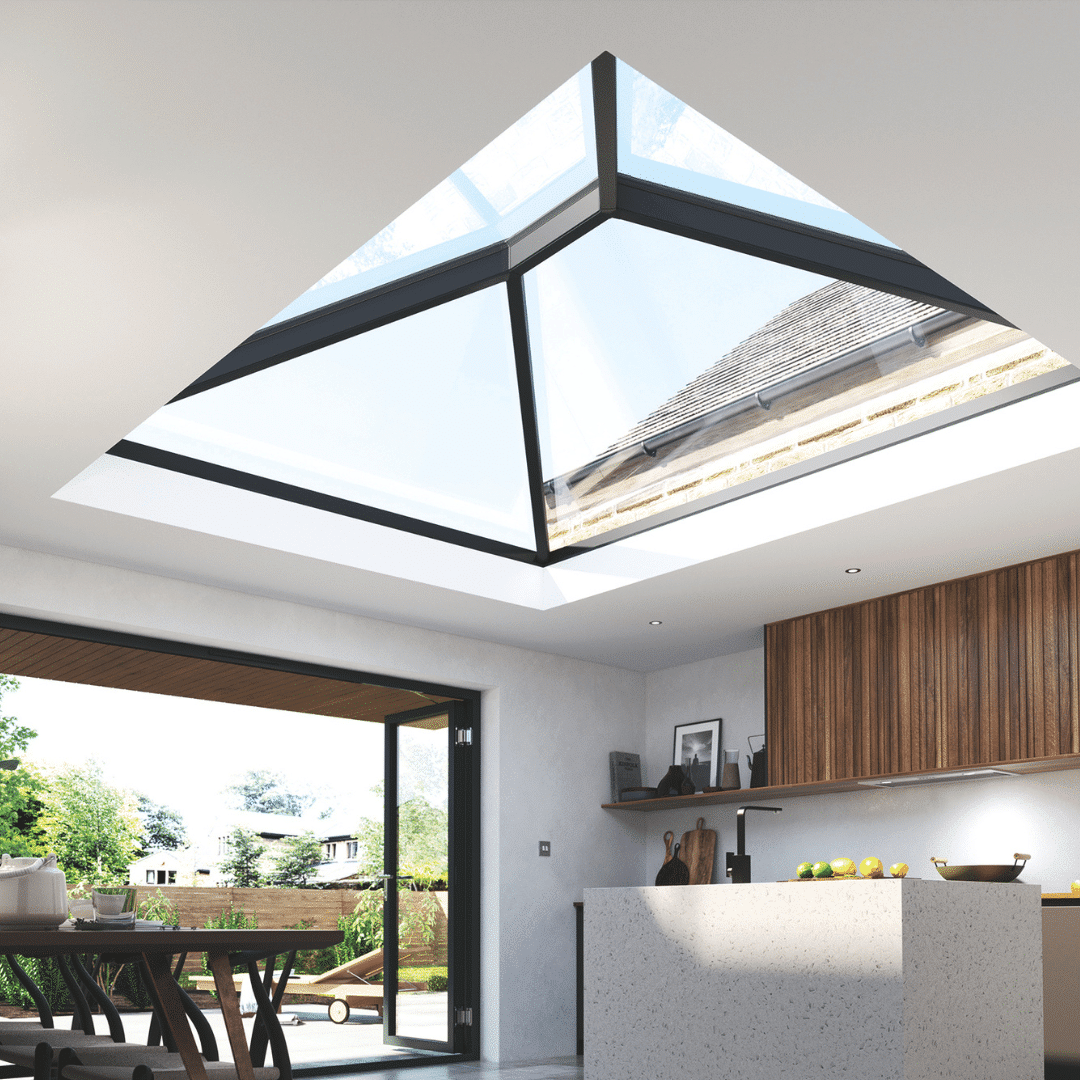
In what way does material choice affect a fishing rod's functionality? The material influences a rod's responsiveness, weight, and durability. Graphite rods are known for their lightweight and responsiveness, allowing anglers to detect even the slightest bites. Their stiffness provides improved casting distance and accuracy, making them ideal for delicate methods and pursuing species like trout or bass. However, graphite can be more fragile, prone to breaking under extreme stress.
Similarly, fiberglass rods give a more forgiving flex, making them resilient and less prone to damage. They tend to absorb shock better, which can be advantageous when battling larger fish. While heavier than graphite, fiberglass rods are often favored for their durability and flexibility, particularly in saltwater environments. Ultimately, the choice between graphite and fiberglass boils down to personal preference and intended fishing style, each offering distinct advantages suited to different conditions and techniques.
Recommendations for Assessing and Keeping Your Fishing Rod
Learning about the materials that form a fishing rod establishes the foundation for proper maintenance and testing. Frequent inspection is essential; users should check for fractures, breaks, or indicators of damage that can impact performance. A basic flex test can help assess the rod's action and reaction; bending the rod gently can show its durability and sensitivity.
Cleaning the rod after each use is important, especially if it has come into contact with saltwater. A soft cloth and gentle cleanser can effectively remove debris without hurting the surface. Additionally, storing the rod in a protective sleeve or case avoids unnecessary wear and tear.
Anglers should periodically check the guides and reel seat for secure fit and smooth performance. By implementing these suggestions, users can assure their fishing rods maintain peak performance, boosting their fishing experience and prolonging the lifespan of their equipment.
Common Queries Raised Frequently
What Is the Best Fishing Pole for Novices?
The finest fishing rod for novices generally offers a mid-range action, approximately 6 to 7 feet in length, and a strong construction like fiberglass. This blend gives adaptability and ease of use for find the facts various angling scenarios.
How Much Ought I Invest on a Fishing Rod?
Industry leaders advocate committing between $50 to $150 to purchase a fishing rod for those beginning their journey. This bracket unites quality and affordability, confirming a satisfactory experience without wasteful expenditure, making room for refinements as your skill level and tastes deepen.
Can a Saltwater Rod Be Used in Freshwater?
Yes, a saltwater rod may be utilized in freshwater. However, its design may not enhance performance for freshwater species, and the added rust protection may be unneeded, potentially making it a weightier choice for light fishing applications.
What signs reveal that my rod might be too heavy?
A rod is considered too weighty if the cast feels clumsy, demands excessive exertion, or results in fatigue. Additionally, if it struggles to detect light bites, it may not suit the intended fishing technique effectively.
What Are the Symptoms of a Damaged Fishing Rod?
Signs that a fishing rod is damaged include evident cracks, splintering, or bends in the blank. Also, the guides can show signs of damage or misalignment, while the reel seat might be loose or damaged, influencing performance and safety.